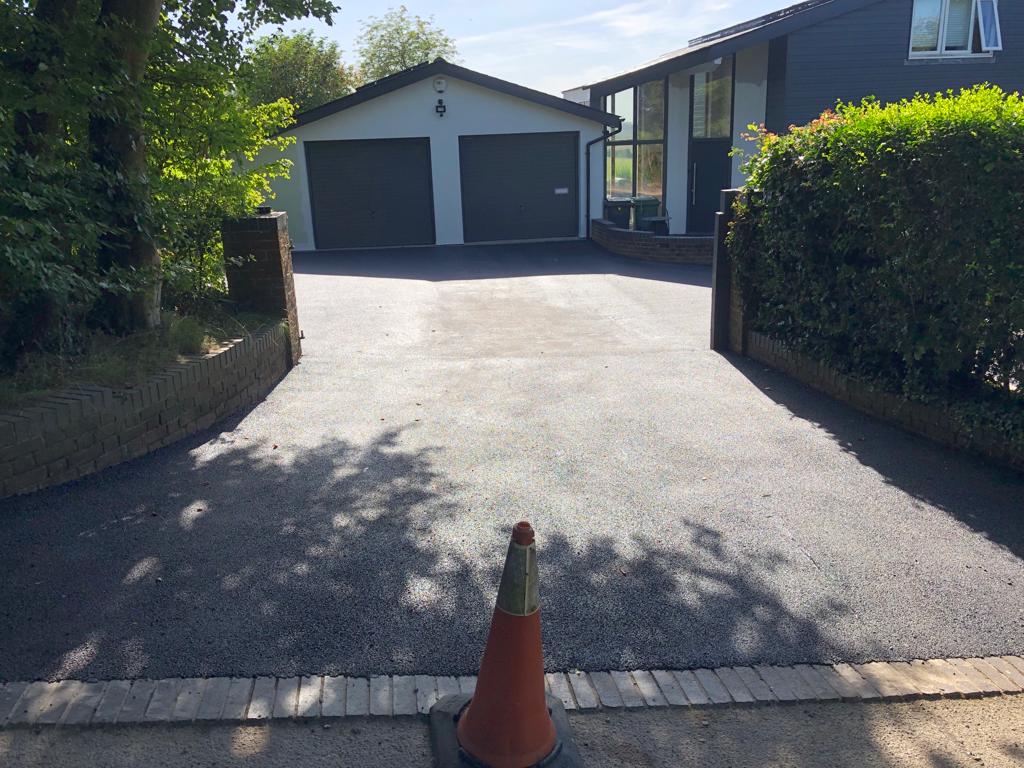
A hardstand may appear to be defined by its finished asphalt or bitumen surface, but much of its strength comes from what lies underneath. Hardstands are commonly expected to support parked vehicles, frequent traffic, machinery and operational activity, making the quality of the underlying pavement structure particularly important.
For businesses and property owners in Woodridge, QLD, a properly constructed sub-base can make the difference between a hardstand that performs reliably and one that develops premature cracking, rutting or settlement. At Woodridge Surfacing Solutions, careful preparation of the supporting layers is treated as an essential part of achieving a durable finished surface.
What Is the Sub-Base of a Hardstand?
The sub-base is one of the supporting layers between the natural ground and the finished pavement. Its purpose is to create a strong, stable platform that helps distribute loads and provides consistent support for the layers above.
Depending on the site and pavement design, preparing this part of the structure can involve:
- Removing unsuitable or unstable material
- Establishing appropriate ground levels
- Placing suitable pavement materials
- Compacting the material thoroughly
- Creating appropriate falls for drainage
- Ensuring the surface is ready for subsequent pavement layers
These steps may be hidden once construction is complete, but they have a significant influence on how the hardstand performs.
Hardstands Place Significant Demands on the Ground
Unlike lightly used paved areas, hardstands can experience concentrated and repeated loads. Vehicles may remain stationary for extended periods, machinery may operate across the same sections repeatedly, and turning movements can place additional stress on the pavement.
The pavement structure therefore needs to transfer these loads effectively into the ground.
Load Distribution Starts Below the Surface
A properly constructed sub-base helps spread loads across a broader area instead of allowing excessive pressure to concentrate in isolated sections.
Without adequate support, the surface can gradually develop:
- Wheel-path rutting
- Depressions beneath frequently parked vehicles
- Cracking
- Localised sinking
- Uneven sections
Increasing the quality of the visible asphalt alone cannot compensate for an unstable foundation underneath it.
Compaction Is Critical to Stability
Simply placing sub-base material is not enough. It needs to be compacted correctly to create a dense and stable supporting layer.
Poorly compacted material can continue settling after the hardstand has entered service. When this occurs unevenly, the pavement above follows that movement.
Correct compaction helps to:
- Reduce future settlement
- Improve load-bearing performance
- Create more uniform support
- Maintain pavement levels
- Reduce movement beneath the finished surface
Professional hardstand construction pays close attention to this stage because correcting foundation problems after surfacing is considerably more disruptive than getting the preparation right initially.
Drainage and the Sub-Base Work Together
Water is one of the most significant threats to pavement stability. If moisture is allowed to accumulate within the supporting layers, their ability to carry loads can be reduced.
Effective hardstand construction therefore considers drainage before the final surface is installed.
Correct Grading Helps Keep Water Moving
The hardstand should be constructed with appropriate levels and falls so rainfall can leave the paved area rather than remaining in depressions.
Good drainage can help reduce:
- Standing water
- Moisture penetration
- Softening of supporting materials
- Pothole development
- Premature surface deterioration
For hardstands in Woodridge, QLD, managing water correctly is an important part of maintaining dependable long-term pavement performance.
Ground Conditions Need to Be Assessed
Not every site provides the same starting point. Existing ground conditions can vary considerably, which is why professional assessment is important before hardstand construction or major resurfacing begins.
Contractors need to consider factors such as:
- Existing ground stability
- Intended hardstand use
- Expected vehicle types
- Traffic frequency
- Drainage conditions
- Existing pavement defects
A hardstand intended for frequent heavy vehicle movements may require a different pavement structure from an area experiencing lighter use.
Weak Areas Should Not Simply Be Covered
One of the biggest mistakes in pavement work is assuming that a new surface will solve problems underneath it.
If the existing foundation contains soft spots, poorly compacted material or significant movement, placing asphalt over the top may temporarily improve the appearance without resolving the cause.
Over time, underlying weaknesses can become visible through the new surface as cracks, depressions or deformation.
What Are the Signs of a Failing Hardstand Foundation?
Problems with the supporting pavement layers are not always immediately visible, but several surface symptoms can indicate deeper deterioration.
These may include:
- Repeated potholes in the same locations
- Rutting along regular wheel paths
- Sections that continue to sink
- Extensive interconnected cracking
- Water repeatedly collecting in depressions
- Repairs that fail prematurely
Where these signs are present, investigating the underlying pavement can be more valuable than repeatedly treating individual surface defects.
Edge Support Also Matters
Hardstand edges can become vulnerable where the pavement meets surrounding unsealed ground. Regular vehicle movements close to unsupported edges can cause cracking and gradual breakdown.
Proper construction should therefore consider how the pavement edges will be supported and how water will move around the perimeter.
Protecting the edges helps maintain the usable hardstand area and reduces the risk of deterioration progressing inward.
A Strong Sub-Base Supports Better Resurfacing
The condition of the underlying structure is equally important when an existing hardstand is being resurfaced.
Where the pavement remains structurally sound, resurfacing can restore a worn surface and extend its useful life. However, if the hardstand contains significant foundation failures, those areas may need attention before new asphalt or bitumen is applied.
Assessing the existing pavement first helps ensure resurfacing is carried out for the right reasons and on a suitable foundation.
Why Professional Hardstand Construction Matters
A successful hardstand requires the surface and underlying structure to function as one pavement system. Site preparation, sub-base construction, compaction, drainage and surfacing all influence the final result.
At Woodridge Surfacing Solutions, we approach hardstand and resurfacing projects in Woodridge, QLD, by considering how the area will actually be used. This allows preparation and surfacing work to be matched to the demands of the site rather than treating every hardstand in the same way.
Conclusion
The sub-base may disappear from view once a hardstand is completed, but its role continues throughout the life of the pavement. It provides stability, distributes loads, supports drainage and helps the finished surface resist settlement, rutting and other forms of deterioration.
For property owners and businesses in Woodridge, QLD, paying proper attention to what lies beneath the asphalt or bitumen is essential when creating a hardstand intended for dependable long-term use.
If you are planning a new hardstand or an existing surface is showing signs of structural deterioration, contact Woodridge Surfacing Solutions for a professional assessment. We can evaluate the condition and intended use of the area and recommend an appropriate asphalt or bitumen surfacing solution without recommending unnecessary work.
Call us on: 07 3113 9392
Click here to find out more about Woodridge Surfacing Solutions
Click here to complete our contact form and see how we can help with your driveways.