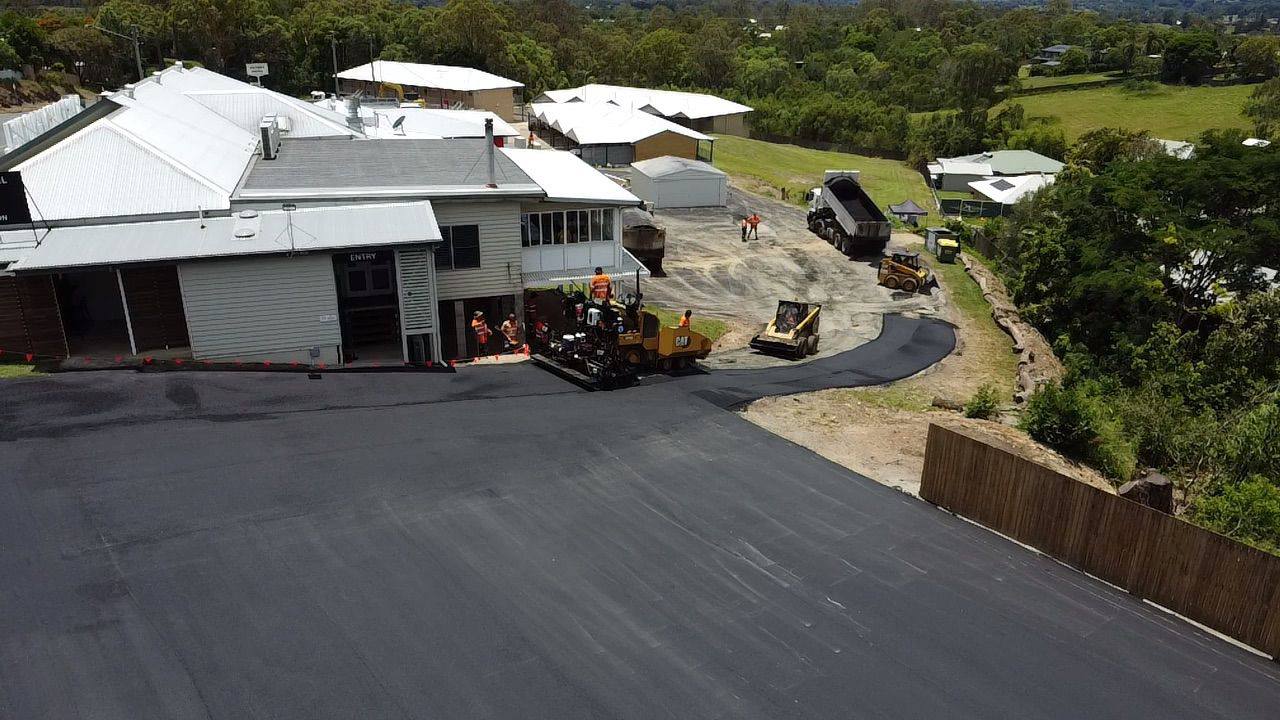
A pothole may begin as a relatively small area of pavement failure, but the damage does not necessarily remain confined to that location. Once the asphalt or bitumen surface has broken apart, water and repeated vehicle movements can place additional stress on the edges of the damaged area. Over time, deterioration can spread into surrounding sections of an otherwise serviceable road.
For property owners and businesses in Woodridge, QLD, repairing potholes at an appropriate stage can help contain localised deterioration and protect more of the existing pavement. At Woodridge Surfacing Solutions, we look beyond the visible hole to understand why the pavement has failed and what needs to be done to restore a dependable surface.
Why Does Pothole Damage Spread?
Potholes generally form after part of the pavement has lost the support or integrity required to withstand regular traffic. Cracking may allow moisture into the pavement, the underlying material can weaken, and vehicle loading eventually causes sections of the surface to break away.
Once a pothole has formed, deterioration can continue because:
- Traffic repeatedly impacts its exposed edges
- Water can enter the pavement more easily
- Loose asphalt continues breaking away
- Cracks can extend into surrounding sections
- The supporting base may become increasingly unstable
This is why a small pothole can eventually affect a much larger section of road.
Early Repairs Can Help Contain Localised Damage
When the surrounding pavement remains structurally sound, repairing a pothole early can help prevent the damaged area from expanding.
A properly completed repair aims to remove unstable material and restore a firm, compacted section that integrates effectively with the surrounding pavement.
Protecting the Edges Around the Pothole
The edges of an existing pothole are particularly vulnerable. Vehicle tyres can strike these weakened sections and cause additional pieces of pavement to break away.
As the opening becomes larger, more of the underlying pavement is exposed to traffic and moisture.
Timely repairs can help:
- Stabilise the damaged section
- Protect adjacent pavement
- Reduce further edge breakdown
- Restore a smoother driving surface
- Limit opportunities for additional water penetration
The condition around the pothole should always be assessed rather than concentrating solely on the centre of the hole.
Water Can Accelerate Pavement Failure
Water is one of the major factors behind spreading road deterioration. Once the surface has opened, rainfall can reach areas that were previously protected by the asphalt or bitumen.
If moisture reaches the supporting layers and reduces their stability, the pavement surrounding the original pothole can begin losing support.
This may lead to:
- New cracks
- Additional potholes
- Surface depressions
- Rutting
- Progressive pavement breakup
Repairing the visible damage while also considering how water is entering or moving across the pavement provides a more complete approach.
Drainage Problems Should Not Be Ignored
If potholes repeatedly appear in areas where water collects, the drainage conditions deserve attention.
Low sections, incorrect surface falls or poor water runoff can expose the same areas to moisture after every rainfall event.
Signs of a possible drainage problem include:
- Water regularly pooling near potholes
- Damp or deteriorating pavement edges
- Several potholes developing in low sections
- Erosion beside the road
- Cracks concentrated around areas of standing water
Correct grading and drainage can play an important role in preventing repaired areas from deteriorating again.
Traffic Can Turn Small Defects Into Larger Ones
Road traffic places repeated loads on the pavement. When the surface is intact and properly supported, these loads are distributed through the pavement structure.
A pothole interrupts this consistent surface. Tyres can strike its edges, while braking, acceleration and turning movements can place additional forces on already weakened asphalt.
The longer a damaged section remains exposed to traffic, the greater the opportunity for deterioration to progress.
Why Do Some Potholes Keep Returning?
If a pothole is repaired but soon begins deteriorating again, the visible hole may only be a symptom of a deeper problem.
Recurring potholes can indicate:
- Weak road base material
- Ongoing moisture penetration
- Poor drainage
- Insufficient pavement support
- Localised settlement
- Wider structural deterioration
In these circumstances, repeatedly filling the surface defect without investigating what lies underneath may not deliver a durable result.
The Condition Beneath the Surface Matters
A lasting pavement repair depends on stable support. If the base beneath the pothole has become soft or unstable, that weakness may need to be corrected as part of the repair.
Professional assessment can determine whether deterioration is confined to the upper surface or whether the affected section needs deeper preparation.
This distinction is important because successful pothole repairs should address the extent of the failure rather than simply conceal it.
Cracks Around Potholes Are an Important Warning
Cracking around an existing pothole can indicate that deterioration has already begun spreading beyond the visible opening.
Property owners should pay attention to:
- Cracks radiating away from a pothole
- Broken or crumbling edges
- Interconnected cracking nearby
- Surface movement around the repair
- Depressions developing beside the damaged area
Early attention to these signs may help preserve surrounding sections before they also begin breaking apart.
When Are Individual Repairs Appropriate?
Localised pothole repairs can be effective where damage is limited and the surrounding pavement remains in suitable condition.
However, there comes a point where repairing individual holes may no longer address the overall condition of the road.
More extensive resurfacing may need to be considered when there are:
- Numerous potholes across the road
- Widespread cracking
- Significant surface wear
- Multiple previous repairs
- Extensive rutting or deformation
- Deterioration affecting large sections
The appropriate solution should be based on the condition of the entire pavement rather than the number or size of individual potholes alone.
Preventative Maintenance Can Protect More of the Road
Pothole repairs are most useful when they form part of a broader approach to pavement maintenance.
Regularly checking a road for developing cracks, drainage issues, depressions and surface deterioration provides an opportunity to address weaknesses before they become substantial failures.
Early intervention can help preserve serviceable pavement rather than allowing localised defects to gradually spread across the road.
Professional Pothole Repair Makes a Difference
Effective pothole repair involves understanding how the damage developed and preparing the affected section appropriately.
At Woodridge Surfacing Solutions, we assess asphalt and bitumen surfaces in Woodridge, QLD, with attention to the pothole itself, surrounding pavement, drainage conditions and signs of underlying instability. This helps us determine whether localised repairs, additional preparation or resurfacing is the most appropriate approach.
Conclusion
Pothole repairs can help prevent damage from spreading across a road, particularly when deterioration is addressed while it remains localised. Repairing weakened areas can protect surrounding pavement, reduce further water penetration and prevent traffic from continually breaking away exposed edges.
However, recurring potholes or widespread cracking may indicate that the problem extends beneath the visible surface. Identifying drainage problems, weak base materials and pavement movement is therefore an important part of achieving a more dependable repair.
For property owners and businesses in Woodridge, QLD, Woodridge Surfacing Solutions provides professional asphalt and bitumen resurfacing and pothole repair services based on the actual condition of the pavement. If potholes are beginning to develop or existing damage appears to be spreading, contact our team to arrange an assessment and determine the most appropriate way to restore the road.
Call us on: 07 3113 9392
Click here to find out more about Woodridge Surfacing Solutions
Click here to complete our contact form and see how we can help with your driveways.