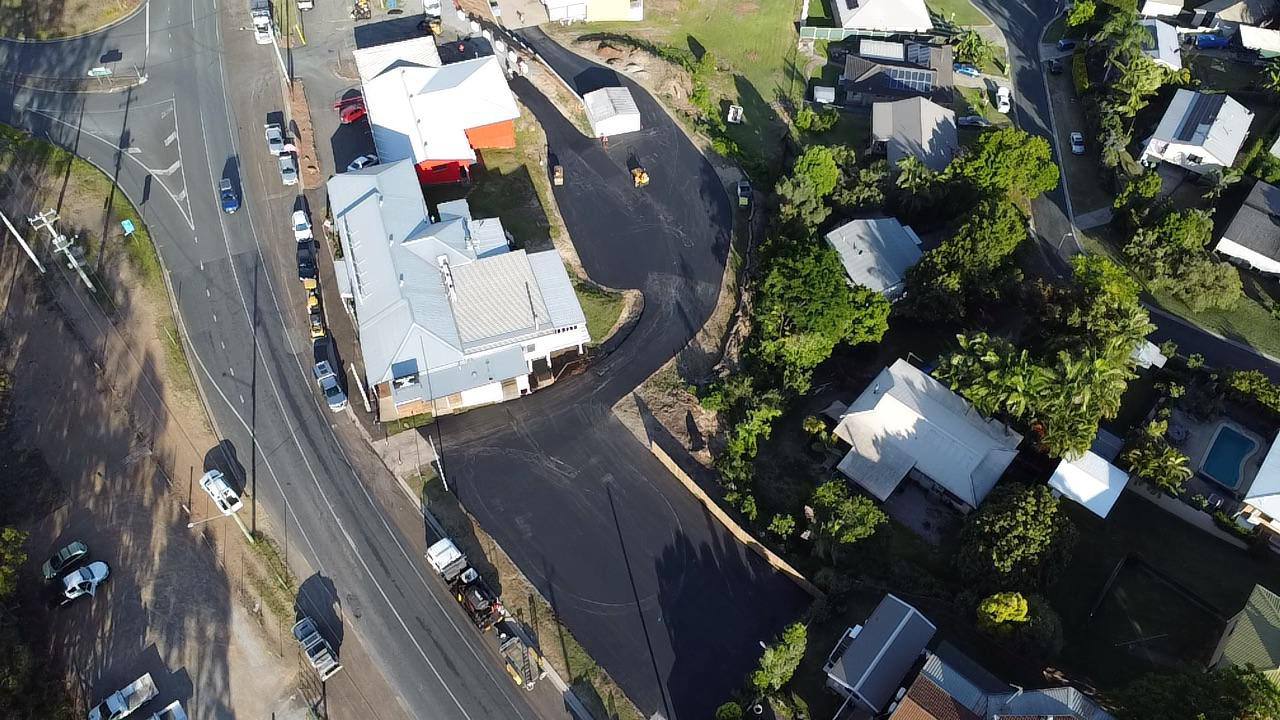
Potholes are a common surfacing problem that can affect the safety, durability and appearance of roads, driveways, car parks and access routes. What begins as a small depression or surface crack can gradually develop into a larger area of damaged asphalt, particularly when water enters the surface and repeated vehicle movements place pressure on the weakened material.
For property owners and businesses in Woodridge, QLD, Australia, addressing potholes promptly can help maintain reliable access and prevent localised damage from spreading. Understanding what causes potholes and how they should be repaired makes it easier to choose an appropriate surfacing solution for the condition of the existing pavement.
What Causes Potholes to Develop?
Potholes usually form when the surface and underlying pavement lose their strength. Identifying the cause is important because simply filling the visible hole may not resolve the underlying problem.
Water Penetration and Poor Drainage
Water is one of the main contributors to pothole formation. When rainwater enters cracks or damaged joints, it can weaken the layers beneath the surface. If drainage is inadequate, moisture may remain trapped within the pavement and contribute to further deterioration.
As vehicles pass over the weakened area, the surface material can break apart, leaving a depression that gradually becomes a pothole. Ensuring that water drains away effectively is therefore an important part of both pothole repairs and long-term pavement maintenance.
Heavy Traffic and Repeated Vehicle Loads
Roads, driveways and access areas experience repeated pressure from vehicles. If the pavement was not designed for the loads it carries, or its supporting layers have deteriorated, the surface may begin to crack and deform.
Areas used regularly by delivery vehicles, commercial traffic or vehicles turning and braking can experience concentrated stress. Over time, this pressure can dislodge loose asphalt and create potholes.
Ageing and General Surface Deterioration
As asphalt ages, exposure to sunlight, rain and regular traffic can gradually reduce its flexibility and weaken its surface. Existing cracks may widen, allowing water to penetrate and accelerate deterioration.
In Woodridge, QLD, Australia, regular inspection of asphalt surfaces can help property owners identify early signs of wear before small defects develop into more extensive damage.
How Are Potholes Repaired Effectively?
The appropriate repair method depends on the size and depth of the pothole, the condition of the surrounding surface and the stability of the underlying pavement.
Assess the Damaged Area
Before work begins, the affected section should be inspected to determine the extent of the damage. A pothole may be limited to the surface layer, or it may indicate a deeper problem involving the pavement’s foundation or drainage.
Checking the surrounding area helps establish whether a localised repair is suitable or whether a larger section requires resurfacing.
Prepare the Pothole Properly
Loose asphalt, debris and weakened material must be removed from the damaged area. Depending on the repair method, the edges may need to be cut back to sound pavement to create a stable repair area.
Proper preparation is essential because new material will not bond reliably to loose or deteriorated surfaces. If the underlying layers are unstable, they may also need to be repaired before the new surface is installed.
Apply Suitable Repair Materials
Asphalt patching is a common method for restoring damaged road and driveway surfaces. The appropriate asphalt material is placed into the prepared area and compacted to create a firm, even finish.
For certain situations, a suitable cold-mix material can provide a practical temporary or localised repair. More substantial damage may require hot-mix asphalt or reconstruction of the affected pavement layers.
The choice depends on the site’s condition, the expected traffic and the intended durability of the repair. Professional assessment helps determine which approach is most appropriate.
Restore Drainage and Surface Levels
A successful repair should leave the surface level and allow water to drain as intended. If the original problem resulted from standing water or inadequate drainage, those issues should also be addressed.
Without correcting the underlying cause, water may collect around the repaired area and contribute to further deterioration.
How to Prevent Potholes from Returning
Although potholes cannot always be avoided, regular maintenance can help reduce their likelihood and extend the useful life of asphalt surfaces.
- Inspect roads, driveways and access areas regularly for cracks, depressions and loose surface material.
- Repair smaller cracks before water can penetrate deeper into the pavement.
- Keep drainage channels and nearby outlets clear so rainwater can flow away effectively.
- Investigate recurring potholes rather than repeatedly filling the same damaged section without assessing the cause.
- Arrange professional inspections where widespread cracking, sinking or repeated surface failures indicate a more significant problem.
For commercial premises and frequently used access routes, a planned maintenance approach can help identify defects early and reduce disruption caused by deteriorating surfaces.
Why Professional Pothole Repairs Matter
A durable pothole repair requires more than filling a hole with asphalt. The damaged area must be assessed, prepared correctly and repaired using suitable materials and compaction methods.
Professional surfacing contractors can identify whether the damage is confined to the surface or linked to deeper pavement failure. They can also assess drainage, surrounding cracks and surface levels to help reduce the risk of recurring problems.
Woodridge Surfacing Solutions provides surfacing services for property owners and businesses seeking practical solutions for damaged asphalt surfaces in Woodridge, QLD, Australia. Whether the issue affects a driveway, access route or paved area, selecting the right repair method is important for restoring the surface’s function and condition.
Conclusion
Potholes develop when moisture, repeated vehicle loads and general surface deterioration weaken asphalt and the pavement beneath it. Prompt repairs can help restore a smooth, usable surface, but lasting results depend on identifying the cause and addressing any underlying drainage or structural problems.
Regular inspections, early crack repairs and suitable maintenance can also help prevent minor defects from becoming more extensive.
If your asphalt driveway or access surface in Woodridge, QLD, Australia has developed potholes or signs of deterioration, contact Woodridge Surfacing Solutions to discuss your requirements and arrange an assessment of the affected area.
Call us on: 07 3113 9392
Click here to find out more about Woodridge Surfacing Solutions
Click here to complete our contact form and see how we can help with your driveways.